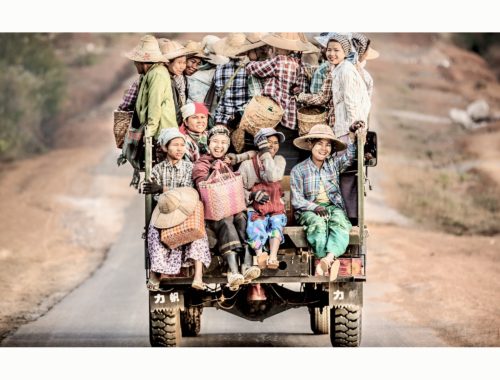

15 Essential Tips for Traveling Abroad with Kids: The Ultimate Family Travel Checklist
Family Travel

Traveling to a foreign country with kids can be one of the most exciting, eye-opening, and rewarding experiences your family will ever have. Exploring new cultures, tasting unfamiliar foods, hearing different languages, and stepping outside of your comfort zone can create memories that last a lifetime.
That said, international travel with children also comes with its own unique challenges. Between passports, packing lists, jet lag, and keeping little travelers happy, there is definitely more to think about than simply booking a flight.
Whether you are planning your first family trip abroad or you are already seasoned travelers, preparation can make all the difference. To help make your journey smoother, here are 15 essential things to consider before traveling internationally with kids.
1. Check Passport and Visa Requirements Early
This may seem obvious, but passport issues are one of the most common travel mistakes families make. Make sure every family member—including infants and toddlers—has a valid passport.
Many countries also require visas, and processing times can take weeks or even months. Before booking your trip, research your destination’s entry requirements and make sure your travel documents will remain valid for the required period after arrival.
Nothing kills vacation excitement faster than discovering an expired passport two days before departure.
2. Schedule Vaccinations and Health Checkups
Before traveling internationally with children, schedule a visit with your doctor or pediatrician. Depending on your destination, certain vaccinations or preventive medications may be recommended.
Research health advisories, water safety, food precautions, and common illnesses in the region you are visiting. A little preparation can prevent major headaches later.
3. Invest in Comprehensive Travel Insurance
If there is one purchase we never skip, it is travel insurance for families.
Travel insurance can help protect your trip from unexpected medical emergencies, canceled flights, lost luggage, weather delays, or sudden itinerary changes. When traveling with kids, flexibility matters, and insurance can provide peace of mind when plans do not go exactly as expected.
4. Prepare for Language Barriers
Traveling to a country where you do not speak the language can feel intimidating, especially with children in tow.
Learn a few basic phrases such as “hello,” “thank you,” “where is the bathroom,” and “help.” Download an offline translation app before leaving home, and consider carrying your hotel address written in the local language.
Even a small effort to communicate can go a long way.
5. Research Local Culture and Customs
Every country has its own traditions, etiquette, and cultural expectations.
Understanding local customs before you arrive can help your family show respect and avoid awkward misunderstandings. Learn about appropriate clothing, greetings, dining etiquette, tipping practices, and family-friendly social norms.
Travel becomes much richer when kids learn cultural awareness firsthand.
6. Stay Informed About Safety
Before your trip, research current safety recommendations for your destination.
Know which neighborhoods are family-friendly, which areas to avoid, and what local scams travelers commonly encounter. Keep valuables discreet, stay aware of your surroundings, and always have a plan for meeting up if someone gets separated.
A little awareness goes a long way toward safe family travel.
7. Choose the Best Transportation Options
Getting around in a foreign country can look very different from traveling at home.
Research public transportation, trains, taxis, rideshare services, rental cars, and walkability. Think about nap schedules, stroller access, luggage space, and how far your kids can realistically walk.
The easiest option is not always the cheapest—but it may be the smartest.
8. Book Family-Friendly Accommodations
Where you stay can make or break your trip.
Look for accommodations that fit your family’s needs, whether that means extra space, kitchen access, laundry facilities, or proximity to major attractions. Read reviews from other families and confirm sleeping arrangements before booking.
A well-rested family is a happier family.
9. Plan for Food and Dietary Needs
Trying local cuisine is one of the best parts of travel, but hungry kids can become unhappy travelers fast.
Research kid-friendly foods, restaurant options, grocery stores, and any local ingredients that may affect allergies or dietary restrictions. Packing familiar snacks for long travel days is always a smart backup plan.
10. Find Kid-Friendly Activities
Not every museum or historic site will keep children engaged for hours.
Before you travel, research parks, playgrounds, zoos, aquariums, museums, beaches, or interactive attractions that fit your children’s ages and interests.
Balancing education with play keeps everyone happier.
11. Save Important Emergency Contacts
Before leaving home, save important numbers in both your phone and a written backup.
Include:
- Local emergency services
- Your country’s embassy or consulate
- Hotel contact information
- Family emergency contacts
- Pediatric or medical contacts if needed
Having quick access can save valuable time in an emergency.
12. Understand Currency and Payment Options
Before arriving, familiarize yourself with the local currency, exchange rates, and common payment methods.
Not every destination accepts credit cards everywhere, so carry a small amount of local cash for taxis, snacks, or emergencies.
Teaching kids about foreign currency can also become a fun learning experience.
13. Pack Electronics and Power Adapters
Different countries use different outlet types and voltage systems.
Check what adapters, converters, chargers, or battery packs you may need before departure. If you rely on tablets, white noise machines, cameras, or baby monitors, this step is especially important.
Few things test parental patience like a dead device on a long travel day.
14. Prepare for Weather and Climate
Do not assume weather will match what you are used to.
Research seasonal conditions, rainfall, temperature changes, altitude, and humidity levels. Pack layers, rain gear, sun protection, or cold-weather clothing depending on your destination.
Comfortable kids are adventurous kids.
15. Plan for Time Zone Changes and Jet Lag
Jet lag can affect kids—and parents—more than expected.
If possible, gradually adjust sleep schedules before departure. Once you arrive, spend time outdoors, stay hydrated, and follow local meal times to help everyone adapt faster.
A little patience during the first few days can make the rest of your trip much smoother.
Final Thoughts on International Travel with Kids
Whether you are traveling abroad for a long weekend, a summer vacation, or several months of family adventure, preparation is key.
Traveling internationally with kids may require extra planning, but the rewards are unforgettable. The world becomes your classroom, and some of your family’s best memories will happen far outside your comfort zone.
Pack wisely, stay flexible, and embrace the adventure—because traveling with kids is not just about reaching a destination. It is about discovering the world together.